
Social acceptance belongs in the investment case
Power, water, noise and local benefits need clear answers before a project reaches the community.

The local experience is the relevant scale
A data center can support a broad digital economy while its immediate neighbours experience construction traffic, mechanical noise or changes to their surroundings. A credible development case has to account for both perspectives.
Virginia’s Joint Legislative Audit and Review Commission found substantial economic benefits from data centers, concentrated particularly in construction, alongside concerns about residential proximity and persistent noise at some facilities. Its findings are specific to Virginia, but they offer useful questions for developers elsewhere.
Make the impacts understandable
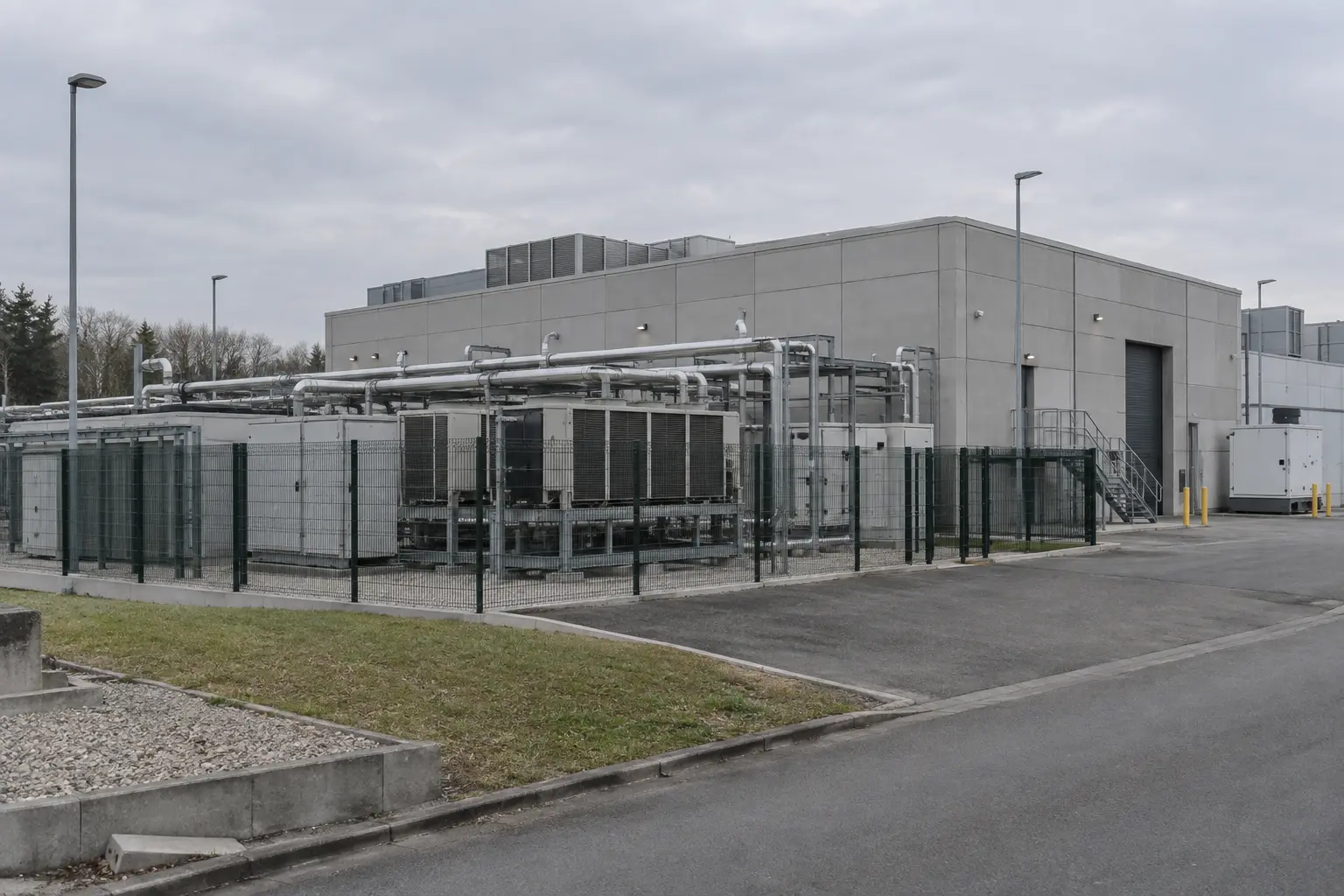
Describe the project in terms a neighbour can evaluate: when construction happens, where equipment sits, how noise is assessed and how questions will be addressed. A drawing of the site boundary may communicate more than a general sustainability statement.
Water claims need an equally clear boundary. Specify what is measured, which operating conditions are assumed and which uses are excluded. Energy performance, water use and heat recovery should be presented as separate measures rather than compressed into one efficiency claim.
Make benefits specific and conditional
Local employment, procurement and potential heat supply deserve evidence. Distinguish construction activity from ongoing staffing. A proposed heat-reuse arrangement should identify a credible customer, connection requirements and who pays for the infrastructure.
The European Commission’s data center reporting framework covers energy performance and water footprint, reinforcing the importance of defined indicators and transparent measurement. Reporting alone does not establish local acceptance.
Carry commitments into delivery
A practical project record should link each material concern to a design response, an accountable party and a way to check the outcome. Engagement should continue after the initial consultation, particularly when the design or operating assumptions change.
For an investor, this is an execution question as well as a responsibility question. Unresolved impacts can create disagreement over the project’s conditions and delivery.